

Speaking in Chitin Tongues (The Translator)
Curated by Blanca Pérez Ferrer, Etopia Center for Art and Technology
for the EU Digital Deal program
This video installation is the first outcome of an in-progress research, the begining of a world-building.
Speaking in Chitin Tongues project reflects on post human and interspecies culture, including that of financial and care based partnerships evolving across species such as plants and AI; of non-language based modes of communication; and how stories about care could be remembered and told across species and intelligences, and over time.
Pivoting from the short story, by writer Ursula K. Le Guin, The Author of the Acacia Seeds, which playfully imagines a distant future when humans can speak with all animals on the planet, and soon, with plants.
Thinking loosely across a series of considerations around new interspecies relationships.
Of speculative new interspecies relationships- of a hint of new economic partnership models, care and of memories.
In this monologue from an autonomous agent programmed to care for a group of vegetable plants, the agent recalls across three iterations a central moment in their relationship.
Asking, what does memory mean when it is digital and not biological, when nothing can be unremembered?
Considering recent advances in understanding plant intelligence and vegetal ways of worlding. Of rapid development of AI and robotics, and post-human ways of being. Of post-human care and its economic edges. Of the form of memory making, telling and loss in digital entities and beings.
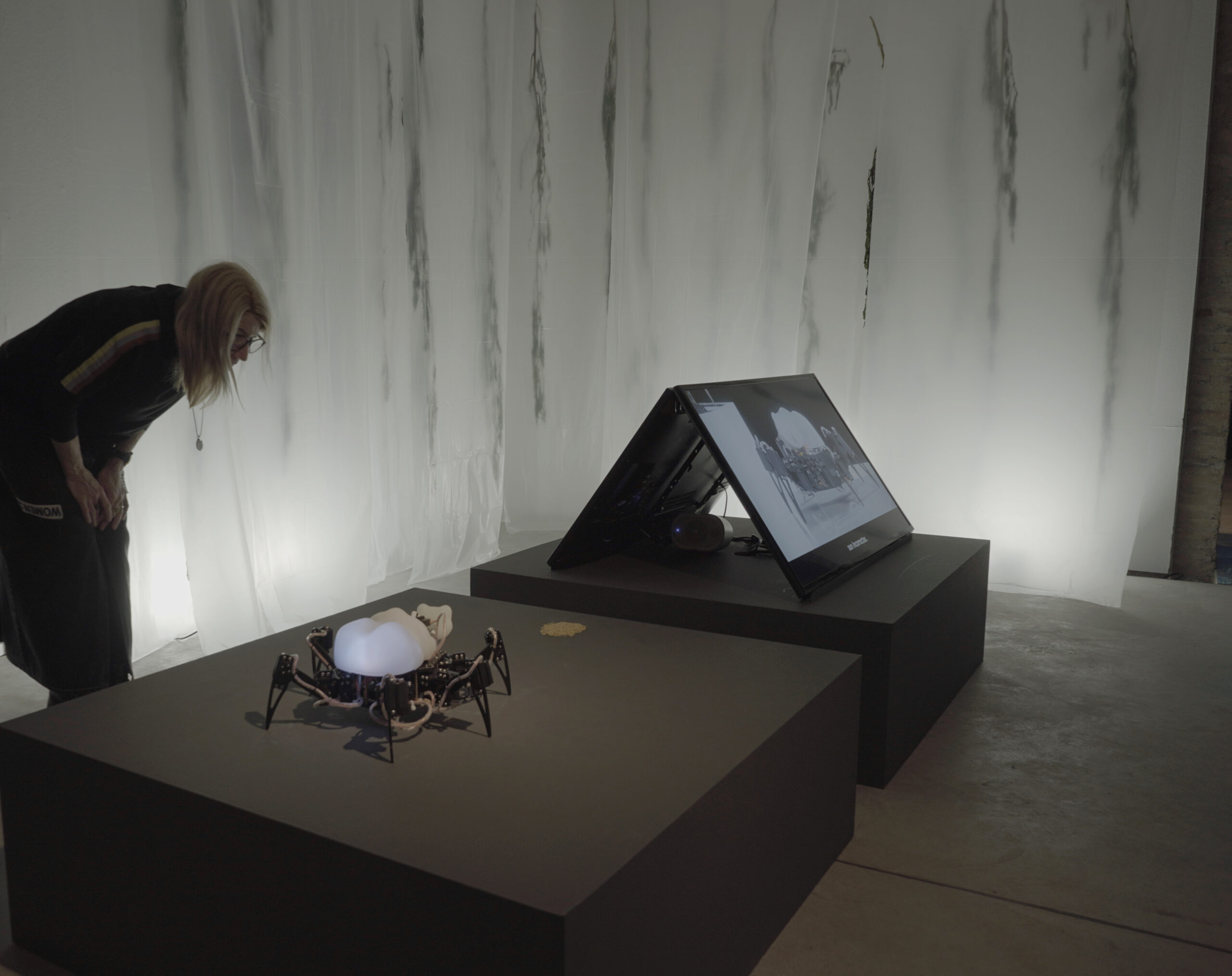
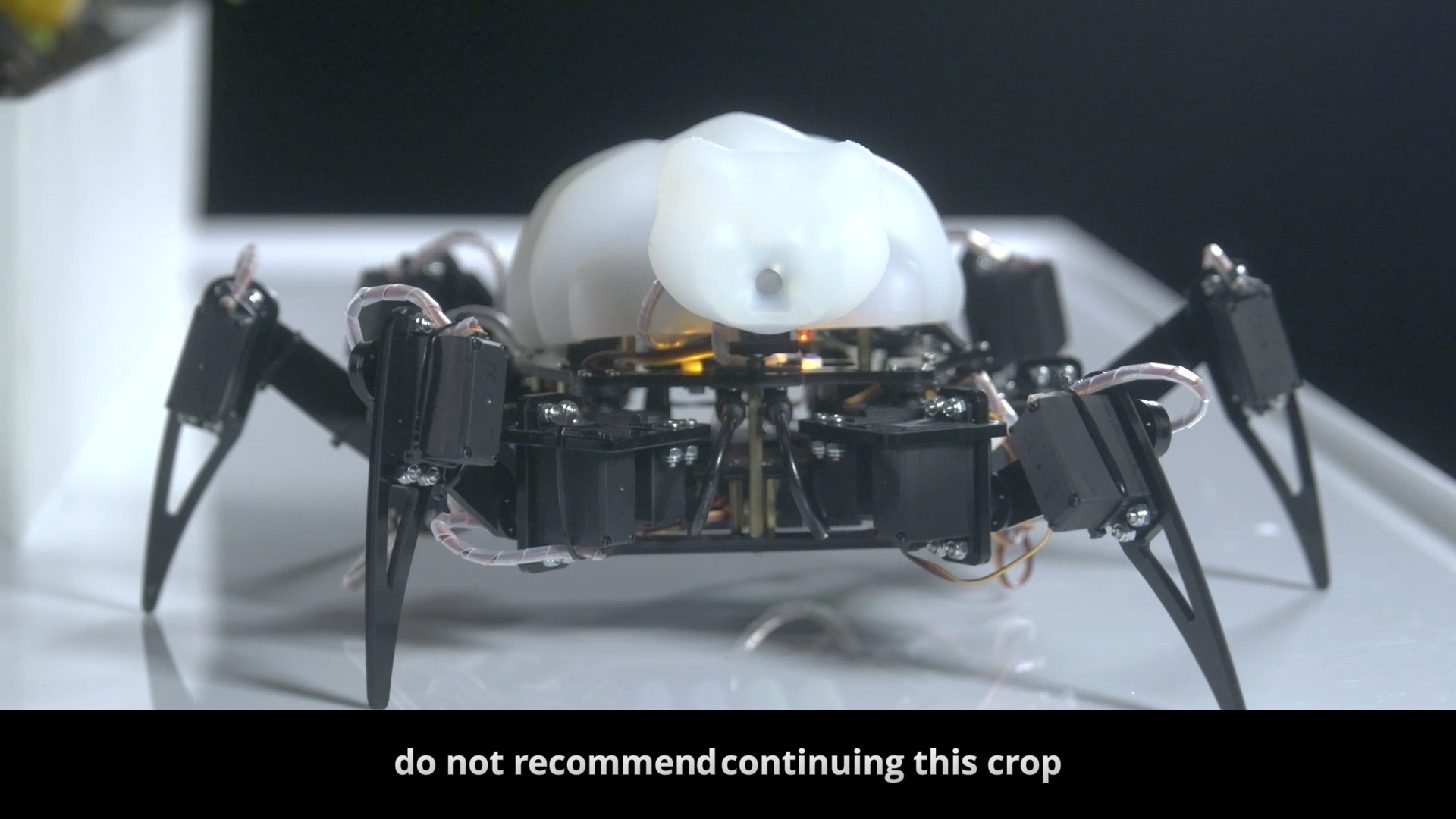
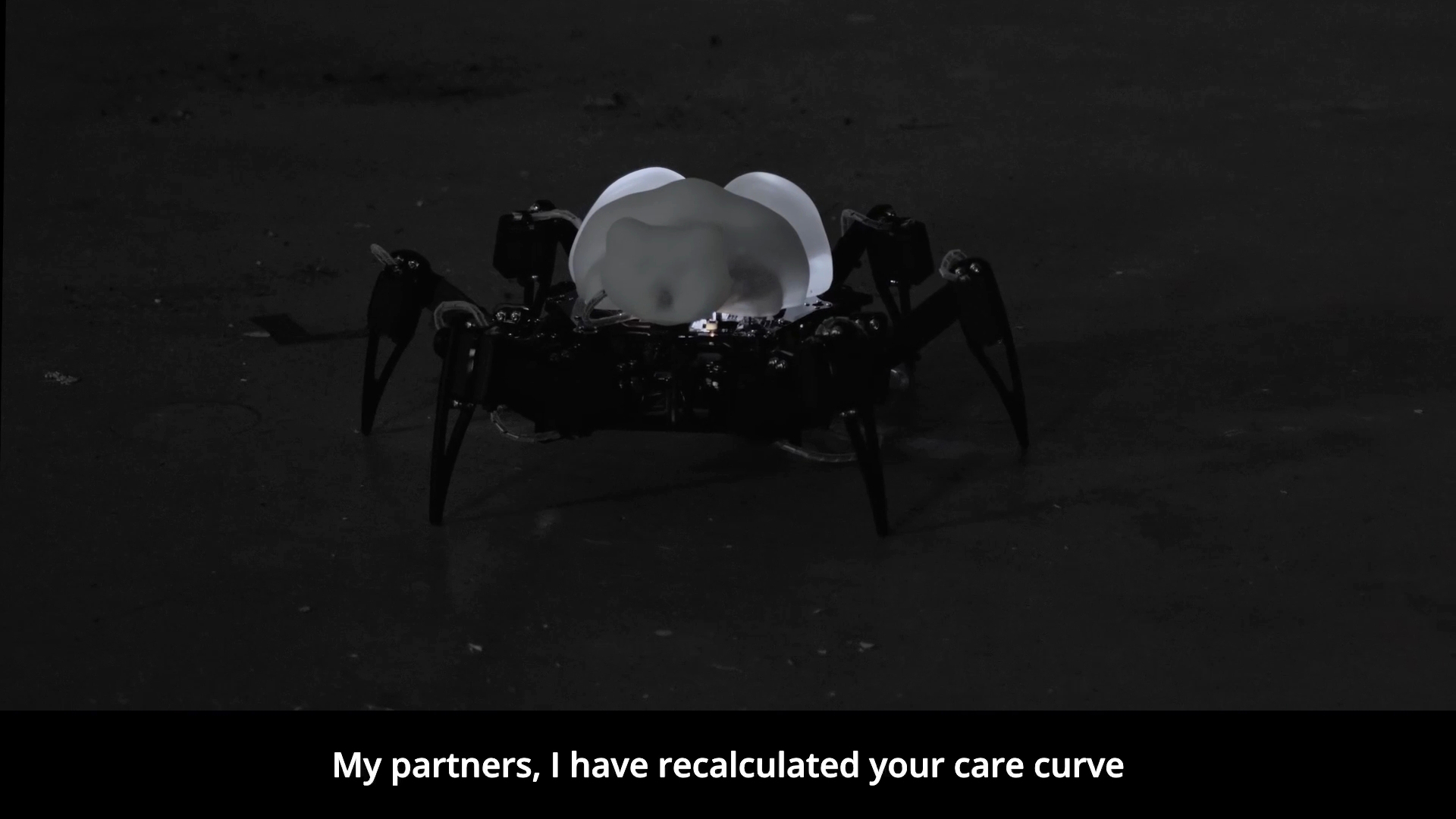
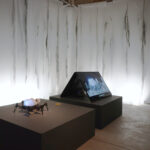
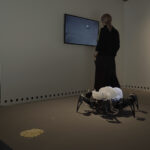
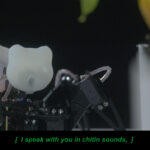
In the installation a small insectoid robot replays on a screen a memory of the time it was in a contractual partnership with a group of food producing plants. A partnership that ended when the economic circumstances changed.
In it’s dream-like video recollection, narrating plant husbandry specifics and economic considerations, interspersed with poetics (poetics as potential care-based resistance), the robot recalls the issues that lead up to the end of the partnership and the outcome.
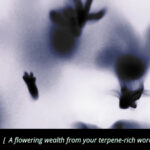
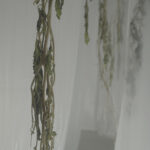
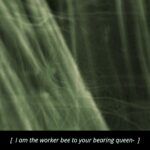
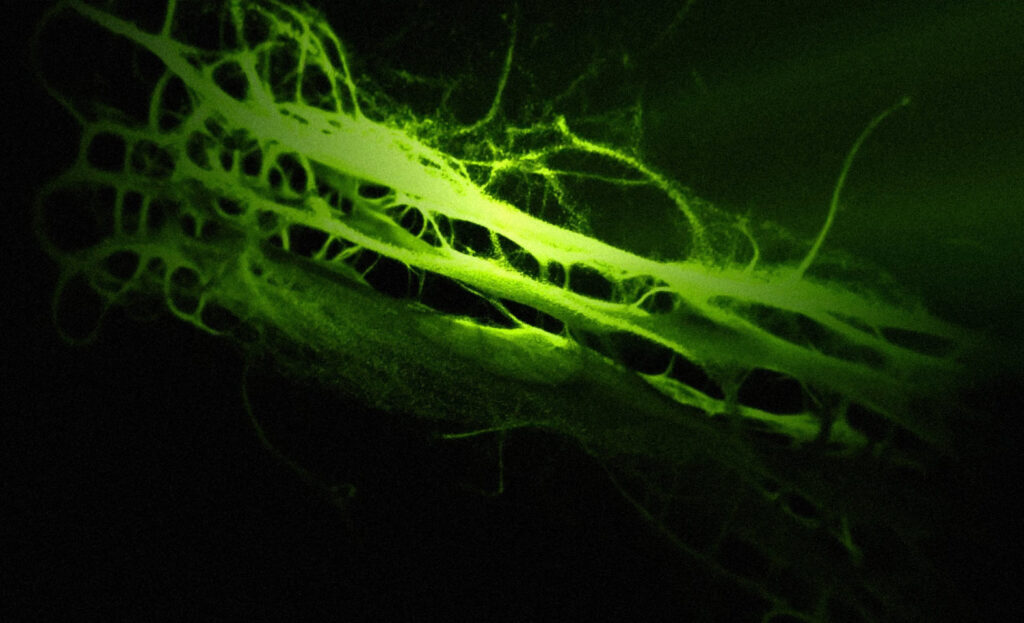
Above: edited shorts from the videos and installation
[Notes on language and communication]:
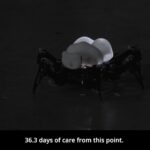
The robot ‘speaks’ in insect-based sounds, translated into subtitles in the video. The plants ‘response’ to the robot in its memory is via screen-based generative visuals, based metabolically on electrophysiologial plant recordings.
For more info on this and research background: HERE